

Inside Grapes: What is Actually in the Seeds and Skins?
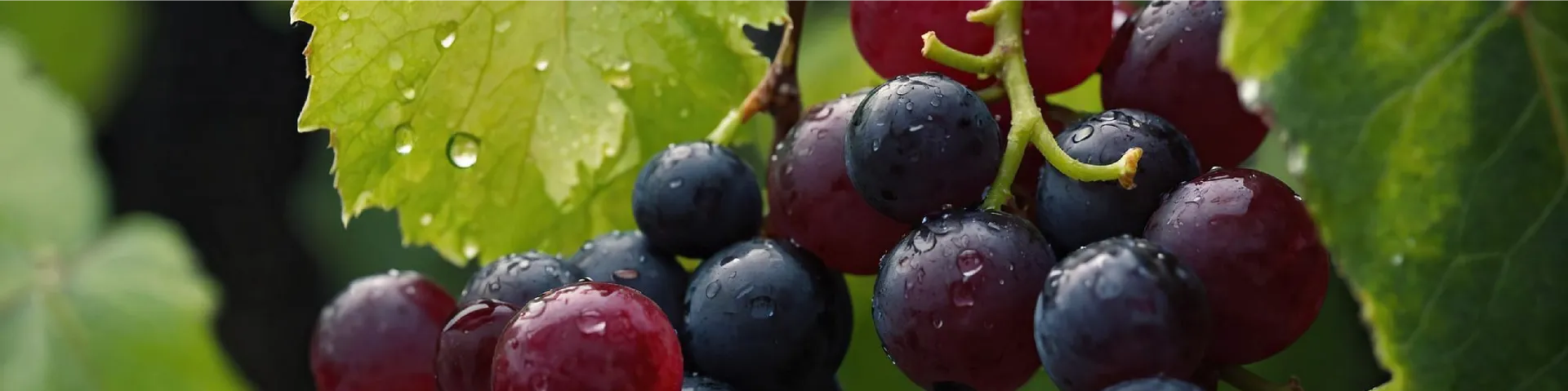
When eating grapes, do you spit out the seeds, peel the skin, or swallow them whole?
While most people only care about the sweet flesh, they often miss out on the skins and seeds—which are actually the most nutrient-dense parts of the grape.
• Nutritional Breakdown by Grape Part
What Nutrients Are Actually Inside Each Part of a Grape?
| Part | Nutrients | Description | Rank |
| Grape Seeds |
OPC、Vitamin E、Vitamin C、Polyphenols |
The highest concentration of polyphenols in the entire grape. Rich in OPCs with exceptional antioxidant capacity, it is recognized as the top source of nutrition.
|
★★★★★ |
| Grape Skins |
Resveratrol、Anthocyanins、Tannins、Polyphenols |
The primary source of purple and red pigments in grapes. Rich in phytochemicals, it acts as a natural protective barrier for the plant. | ★★★★☆ |
| Grape Stems |
Flavonoids、Resveratrol、Tannins、Polyphenols |
Rich in polyphenols and high in tannins, leading to a strong astringent taste; typically not consumed directly. | ★★★☆☆ |
| Grape Flesh |
Water、Glucose、Fructose、Vitamin B Complex、Potassium、Phosphorus |
Mainly provides energy and hydration with a sweet taste. Contains organic acids, though polyphenol levels are significantly lower compared to the seeds and skins. | ★★☆☆☆ |
• OPCs v.s. Anthocyanins: What is the Difference?
| Comparison |
OPC/Proanthocyanidins
|
Anthocyanin
|
| Chemical Structure | Flavanols, a subclass of flavonoids. | Anthocyanidins, a subclass of flavonoids. |
| Chemical Relationship | When heated in an acidic environment, OPCs convert into anthocyanins; however, this metabolic pathway cannot occur inside the human body. | When heated in an acidic environment, OPCs convert into anthocyanins; however, this metabolic pathway cannot occur inside the human body. |
| Appearance & Color | Typically colorless, light brown, or reddish-brown. | Changes with pH levels, showing red, purple, or blue. |
| Stability | Relatively stable; better resistance to heat and acid. | Unstable; easily affected by temperature, pH levels, and light. |
| Main Source | Grape Seeds | Grape Skins |
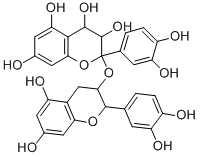
💡Fact Sheet: OPCs are polyphenols divided into oligomers and polymers based on polymerization. Oligomeric proanthocyanidins (OPCs) feature smaller molecules and better absorption.
• What happens if you swallow them?
Q:Is it really safe to eat grape seeds and skins?
No need to worry! Swallowing grape seeds and skins is typically harmless. If chewed, they can even release their internal nutrients.
⚠️ Note: However, eating too many at once may still cause digestive discomfort.
⚠️ Note: However, eating too many at once may still cause digestive discomfort.
Q:Are There Better Ways to Consume These Nutrients?
Yes! Today, grape seed extraction technology is commonly used to preserve maximum nutrition while enhancing absorption and reducing digestive discomfort caused by raw consumption.